




Sustainable Planning for Urban and Rural Areas
Contents |
[edit] 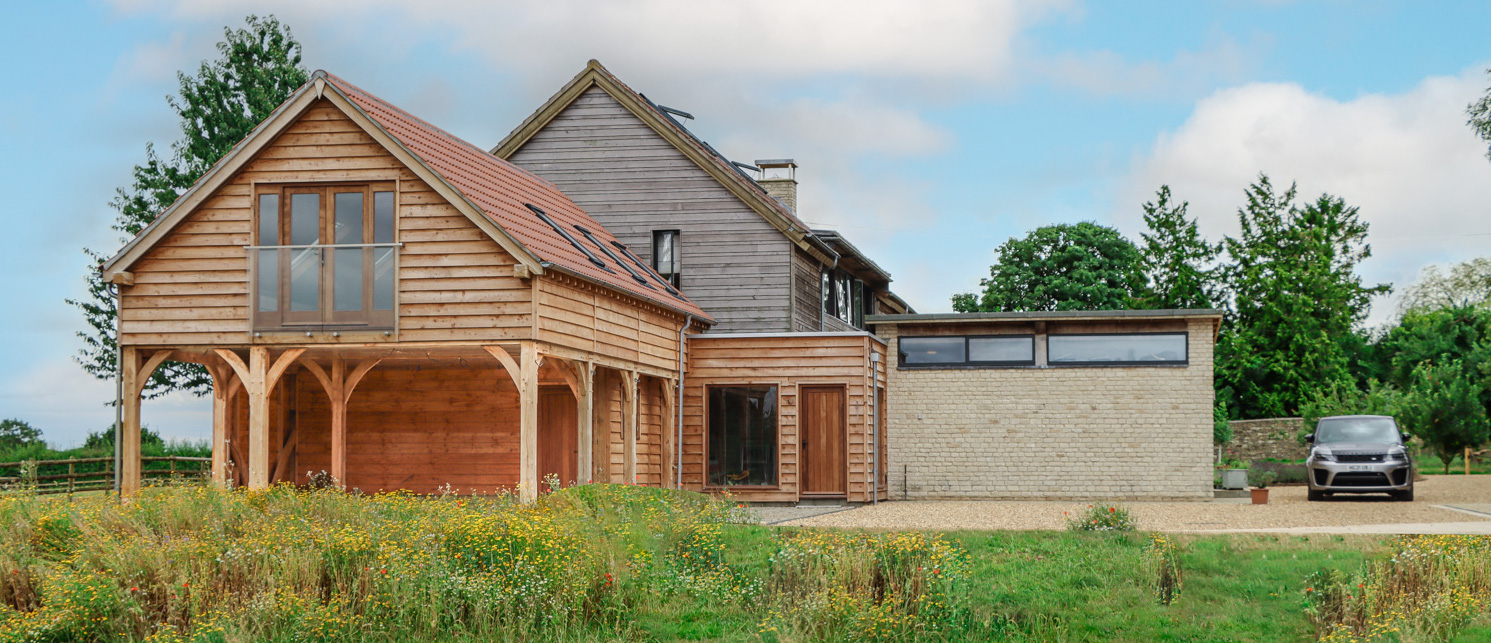 3 to 4 Bay Oak Framed Car Port With Room Above Linked To House

[edit] Introduction to sustainable planning
Sustainability in planning, whether in urban or rural contexts, is crucial as we confront challenges such as population growth, and the imperative to create liveable and resilient communities. Sustainability entails the careful integration of environmental, social, and economic considerations to develop habitats that flourish while respecting our planet's finite resources. In this article, we will explore the concept of sustainability in planning terms, its significance in both urban and rural settings, and the strategies employed to create sustainable environments across diverse landscapes.
For further information and related topics visit the page sustainability in building design and construction.
The Fundamental Principles of Sustainability in Planning
[edit] Environmental stewardship
Environmental Stewardship prioritises protecting and enhancing the natural environment. It advocates for eco-friendly designs, the conservation of green spaces, and the reduction of environmental impacts through practices such as energy efficiency, waste reduction, and responsible water management.
For further information and related topics visit the pages environmental policy for building design and construction and Countryside stewardship.
[edit] Economic viability
Economic viability, describes creating sustainable but also economically resilient communities in urban and rural areas. This involves fostering a diverse local economy, promoting job creation, and supporting businesses while ensuring that development does not jeopardise long-term economic stability.
For further information and related topics visit the page economic viability
[edit] Social equity
Social Equity describes a sustainable approach which emphasises social justice as a core value. Planning for inclusivity ensures that everyone, regardless of income or background, has access to quality housing, education, healthcare, and public spaces, whether in urban centres or remote rural regions.
For further information and related topics visit the page social value.
[edit] Cultural preservation
Cultural preservation includes sustainably preserving and celebrating the unique cultural heritage of a community, be it in urban or rural settings over the longer term. It aims to integrate local culture and history into the fabric of the community while encouraging creativity and innovation.
For further information and related topics visit the page preservation.
[edit] Resilience and adaptability
Resilience and adaptability anticipates and addresses the challenges of both urban and rural areas, that need to be designed to withstand natural disasters in a changing climate, possess adaptable infrastructure, and cater to the needs of a growing population.
For further information and related topics visit the pages resilient design and adaptability
[edit] Strategies for achieving sustainable planning
[edit] Compact urban and rural design
Compact urban and rural design promotes higher population densities in urban areas and efficient land use in rural regions, reducing the need for long commutes, minimising land consumption, and encouraging the use of public transportation, walking, and cycling.
[edit] Green spaces and biodiversity
The preservation of green spaces to protect and improve biodiversity is a key element of sustainable planning. Expanding green spaces within cities and protecting natural habitats in rural areas enhances air quality, provides recreational areas, and supports biodiversity. Parks, nature reserves, and sustainable agriculture contribute to a healthier environment.
[edit] Mixed-use zoning
Encouraging mixed-use zoning allows a blend of residential, commercial, and agricultural spaces to co-exist within the same neighbourhood. This minimises transportation needs, fosters vibrant, walkable communities, and promotes sustainable agriculture in rural areas.
[edit] Sustainable transportation
Investing in public transportation, cycling infrastructure, and pedestrian-friendly streets reduces reliance on personal vehicles, cutting emissions and traffic congestion in both urban and rural landscapes.
[edit] Renewable energy
Renewable Energy: Sustainable planning incorporates renewable energy sources like solar and wind power into the urban and rural environments, reducing reliance on fossil fuels.
[edit] Waste reduction and recycling
Implementing efficient waste management and recycling programs diverts waste from landfills, reducing the environmental impact of urban and rural areas.
[edit] Community engagement
Inclusive and sustainable planning involves engaging with local communities in decision-making processes. Engaging residents ensures that their needs and concerns are addressed, whether in urban centres or rural communities.
[edit] Adaptive reuse
Adaptive reuse describes the repurposing of existing buildings and structures in both urban and rural areas to reduce waste and preserve cultural heritage.
[edit] Material selection
The selection of materials and use of recycled, reclaimed, or if new, then renewable materials contribute to sustainable development. Rapidly renewable materials replenish in 5 year cycles, other biogenic materials such as timber replenish over longer cycles. Their growth sequesters carbon from the atmosphere, which is stored for the lifespan of the building.
[edit] The management and use of timber
The Forest Stewardship Council (FSC) plays a crucial role in advancing the cause of renewable timber across the United Kingdom. FSC is dedicated to ensuring that our forests are managed with sustainability and environmental responsibility at the forefront. Their stringent certification process empowers consumers and businesses to identify and select wood and wood products derived from forests adhering to the most stringent sustainability criteria. This not only safeguards the long-term health of UK forests but also encourages the responsible harvesting of timber resources.
Moreover, FSC's presence in the UK has significantly expanded the availability of certified sustainable wood products in the market, propelling the growth of the oak-framed industry and similar sectors by promoting the adoption of sustainable forestry practices. This partnership between FSC and the oak-framed industry amplifies the preservation of the UK's forests and bolsters the promotion of renewable timber resources for the benefit of future generations.
[edit] 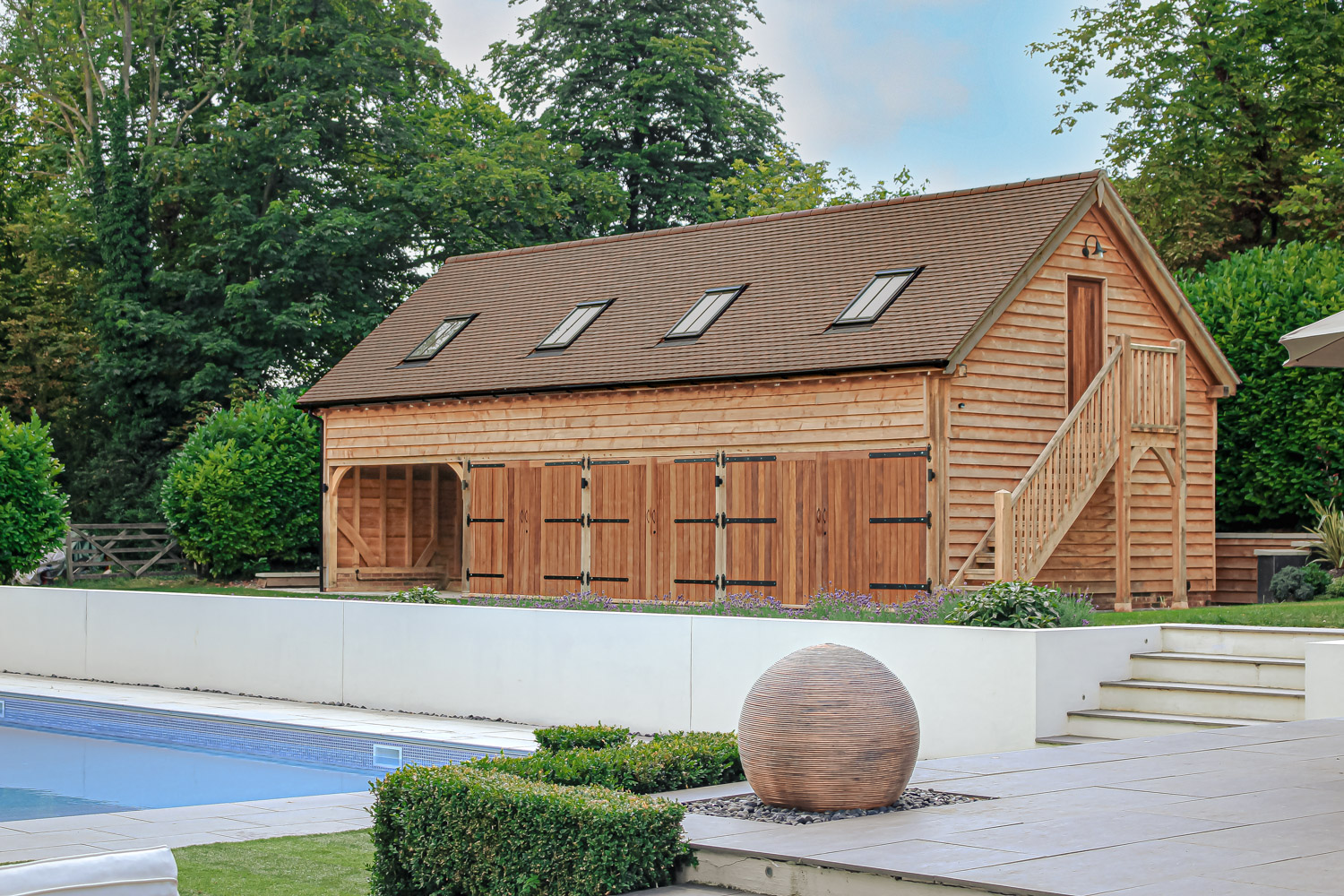 Timber Framed Construction Of A Room Above Outbuilding

[edit] 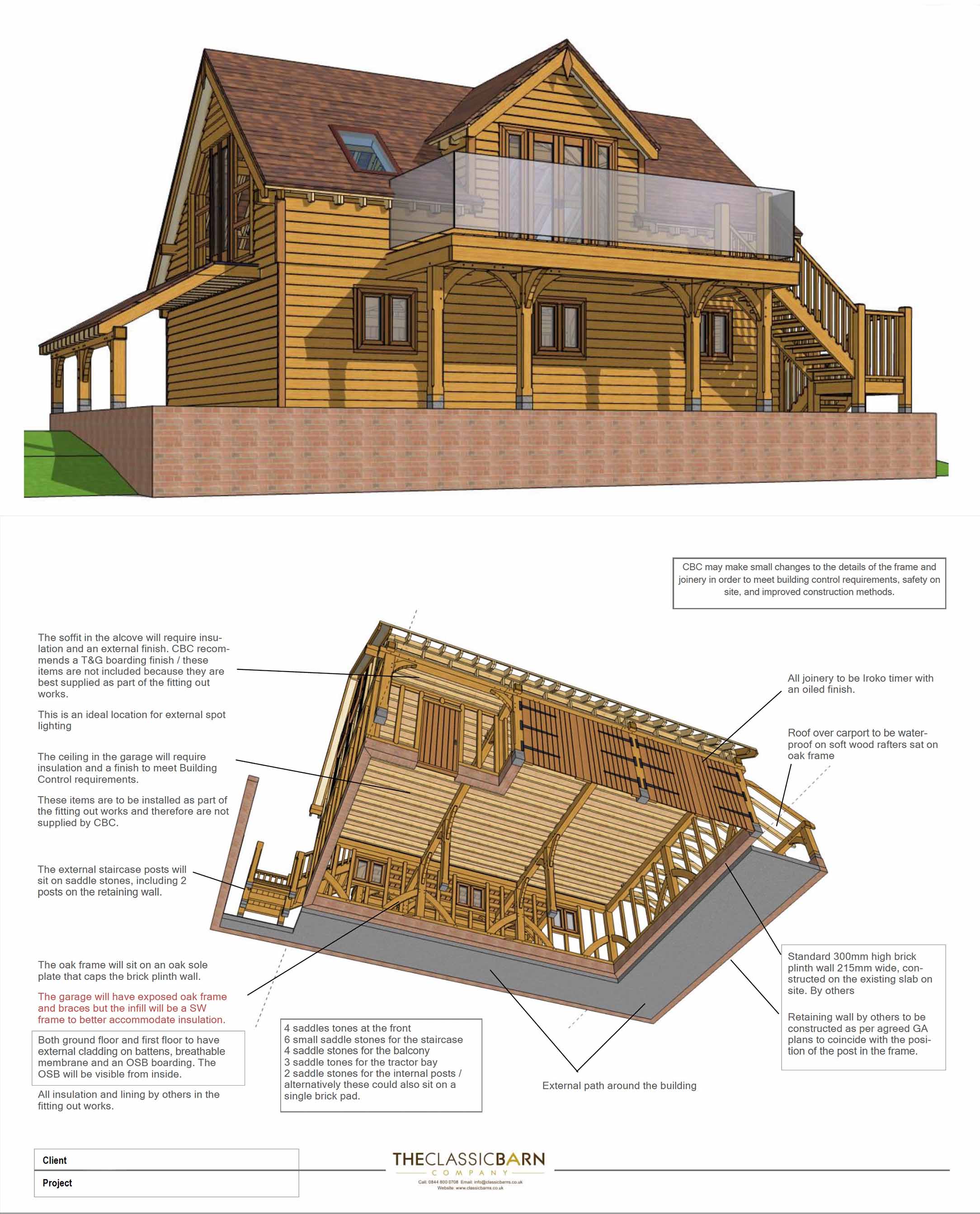 A Room Above Building Built Entirely From Timber Framing

[edit] Conclusion
Sustainability in planning terms is not only essential but also adaptable to various landscapes, from bustling urban centres to tranquil rural areas. As the world grapples with unprecedented challenges, cities and rural communities must lead efforts to combat climate change, reduce resource consumption, and create resilient, equitable habitats.
Sustainable urban and rural planning serves as the blueprint for a brighter, more sustainable future, where communities are efficient, prosperous, inclusive, and environmentally responsible. Through these endeavours, we can forge a path toward a greener, more sustainable world for generations to come.
Author --The Classic Barn Company
Case Study - Garage Extension Linked to House (featured abbove)
[edit] Related articles on Designing Buildings
- Accessibility in the built environment.
- Access and inclusion in the built environment: policy and guidance.
- Building Regulations.
- Disability Discrimination Act.
- Environmental plan.
- Equality Act.
- Inclusive design.
- Legal and sustainable timber.
- Older people.
- Planning.
- Planning Permission For Oak Garages and Outbuildings.
- Planning transport for people with disabilities as the population ages.
- Protected characteristics.
- Sustainability.
- Sustainable materials.
- Sustainable timber.
- Rapidly renewable content.
- Room above garages and outbuildings.
- The sustainability of construction works
- Whole life carbon assessment of timber.
- Forest Stewardship Council.
Featured articles
Check out some of the best features and news from Designing Buildings as well as key stories from around the web.

Government approach could undermine delivery and regeneration.
World's first mass timber data centre.

The overlooked environmental aspect of data centre development.
Introduction to radon awareness

New technical information sheet published by CIOB.

Updated supplier guide can help electrical contractors engage with NHP.

CIAT confirm the winners of the 2026 architectural technology awards.

Government launches a one stop shop for flood preparedness.

Sir Edwin Lutyens: Britain's greatest architect? Book review.

CIOB publishes free template to help assess and manage risks.
ECA's reflections on Party Conference season

Burnham wants to be confident of winning before asking for a fresh mandate.
New Chief Construction and Scientific Adviser

Sergio Cavalaro, Professor of Infrastructure Systems at Loughborough University.
Building safety levy for England

CIAT publish estimator tool for members.

Water sector faces a growing crisis that could slow the delivery of vital infrastructure.